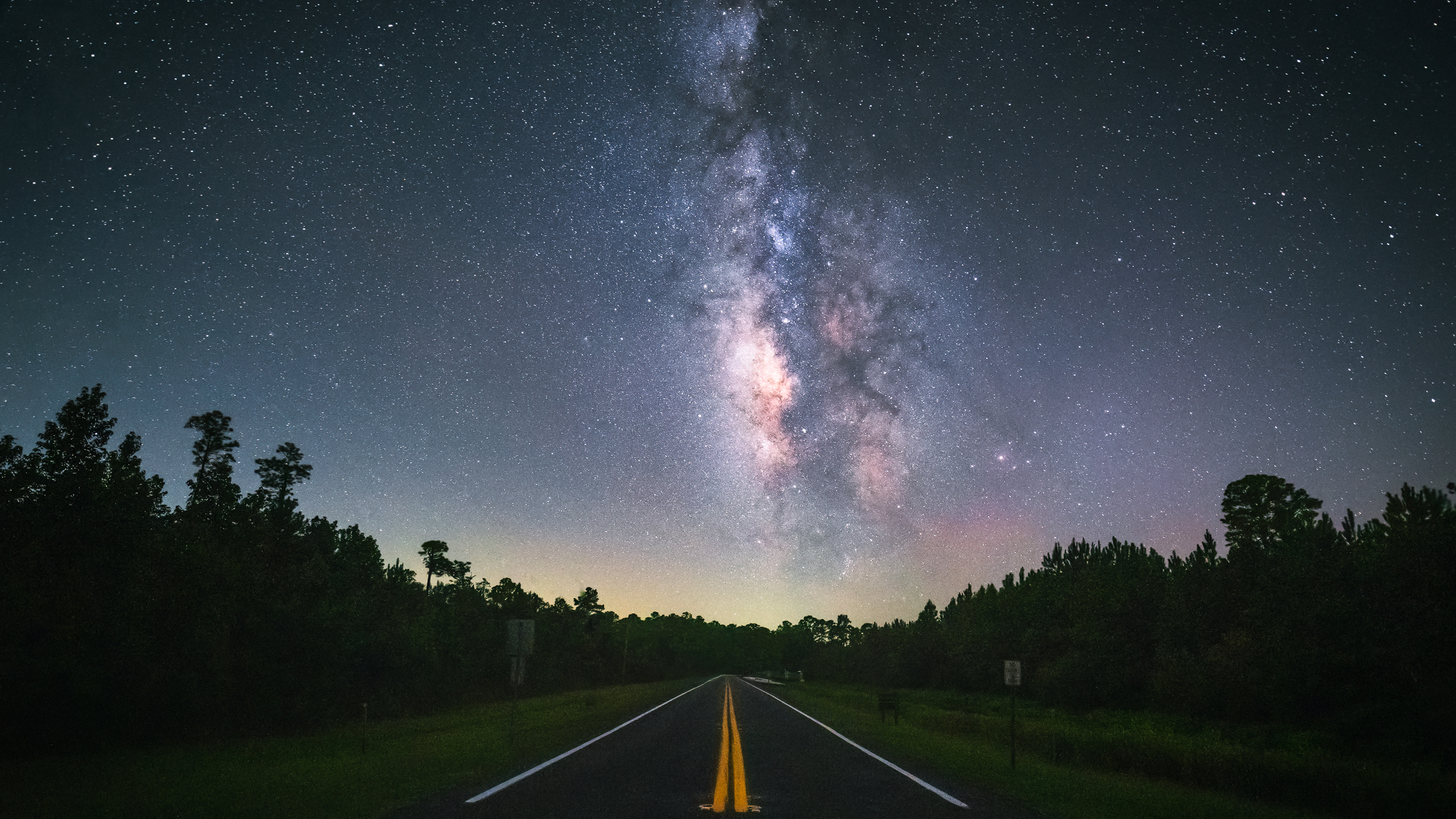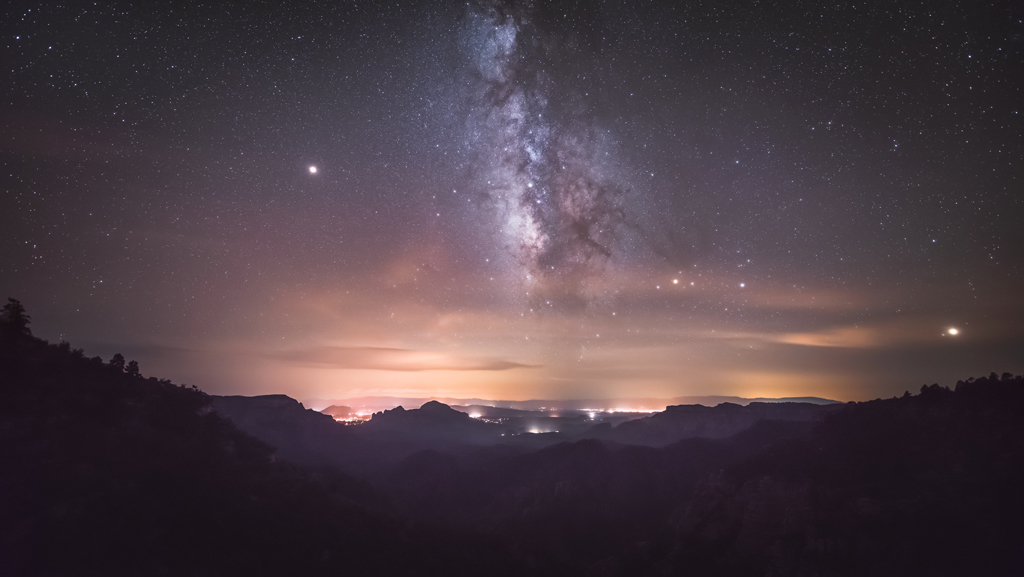
As photographers, filmmakers, and digital artists, we spend countless hours chasing the perfect light, waiting out astronomical twilight, and obsessing over the exact tonal contrast in our high-resolution frames. We invest in elite glass and bodies to capture the world in its absolute, pristine state.

But when it comes to publishing our work online, we often face a frustrating reality check. The platforms built for standard “content writers” treat our high-resolution images as an afterthought; compressing the pixels, slowing down our pages, and boxing us into rigid templates.

I have moved from one provider to another over a few years, mostly because of hard limits on what I could show and how I wanted to show it. I found WordPress superior in its core capabilities but to build an end-to-end flow for a print business, I ended up with more plugin subscriptions than TV subscriptions.

As with any wave of new tools, something always shows up that challenges the old norms of web publishing. While a few digital giants have locked in their place in the market, the onus is still on us as creators to find what actually fits a visual workflow and not just a blog workflow.

I even looked at whether AI could stand up a portfolio site for me. It can scaffold pages about as well as a novice photographer can assemble a first gallery but running a real storefront, client delivery, and a media-heavy archive takes more than a single prompt.

If you are trying to decide where to host your creative portfolio, client galleries, or educational content, here is how the major publishing landscapes stacked up for me as a visual creator.
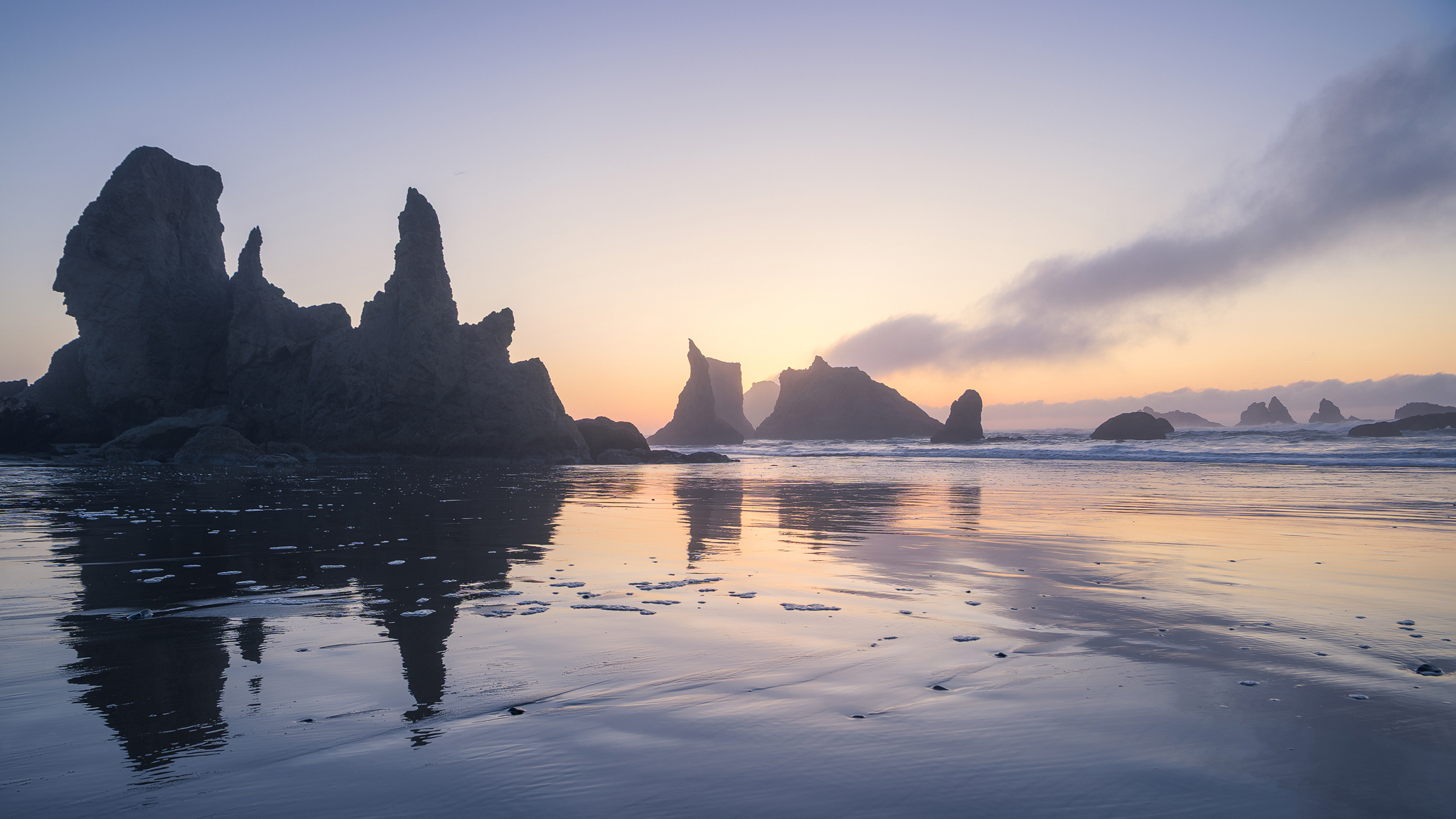
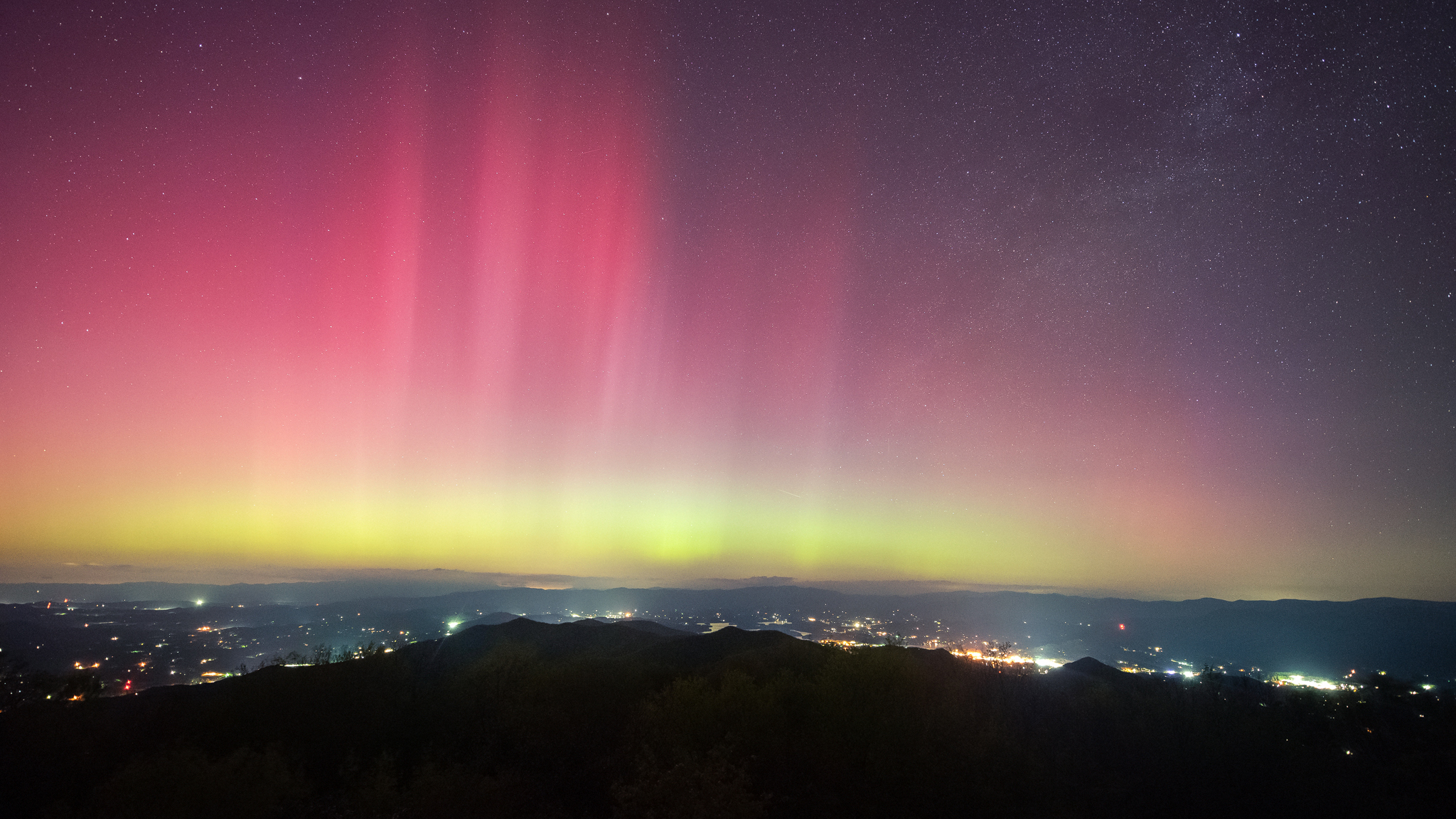
The digital landscapes we inhabit

Platform What It Promises The Reality for Visual Creators
WordPress Total freedom and an infinite ecosystem. You often end up managing a fragile web of plugins, complex caching, and database overhead just to keep a high-res gallery from bringing the site to a crawl—especially once print and commerce enter the picture.
Squarespace Beautiful, clean templates right out of the box. You are locked into a closed, rigid system. The designs can look sharp while heavy scripts and slow loads frustrate visitors and hide your work behind spinners.
SmugMug / Pixieset A dedicated sanctuary built to host, deliver, and sell prints. They work beautifully as digital filing cabinets or client delivery portals, but they are isolated silos. Blogging tools feel primitive, customization is dated and rigid, and it is hard to build a modern, cohesive brand or tell deep, media-rich stories on the same surface.
Substack & Medium A direct, distraction-free connection with an audience. Almost zero layout control. Aggressive compression steps on gradients and crushes fine detail, reducing deep visual work to flat blog decoration.

What I needed instead

As modern creators, our digital home isn’t just an archive or a client download link. It is where we tell the stories behind the images, host high-resolution print shops, stream video, and sometimes teach our craft. Stringing together SmugMug for client delivery, WordPress for stories, and another platform for commerce is exhausting.

That friction is exactly what led me to move my work to ArtInStack.

I was looking for something that treated the site less like a static template and more like a high-performance home for the actual work. In practice, a few things mattered immediately for me:

  • Image delivery that respects the file. High-resolution panoramas and astrophotography frames need to stay sharp not get smashed by aggressive, pixel-destroying compression.

  • One place to work. Portfolio, client galleries, and commerce under one roof beat hopping between disconnected tools for every part of the business.

  • A realistic path off the old stack. Leaving a media-heavy WordPress archive only works if the move doesn’t mean abandoning years of work. I needed a clean cutover, not a rebuild from scratch.

If you are looking to publish quick, text-only updates, the simplicity of Substack or Medium is tough to beat.

But if you view your website as a living gallery; a place where page speed, pixel clarity, and a seamless client experience are part of the craft—then the platform has to be engineered for that performance, not adapted from a blog CMS after the fact.

Our work deserves to be seen as we lensed it: pure, peaceful, and uncompromised. It is time to stop squeezing our art into spaces that were never designed to hold it.

This site and how I publish from here—now runs on ArtInStack.